
February 18, 2026
The Science of Forest Air: How Ancient Traditions Protect the Modern Brain

By Ram Rao, Ph.D., Principal Research Scientist for Apollo Health
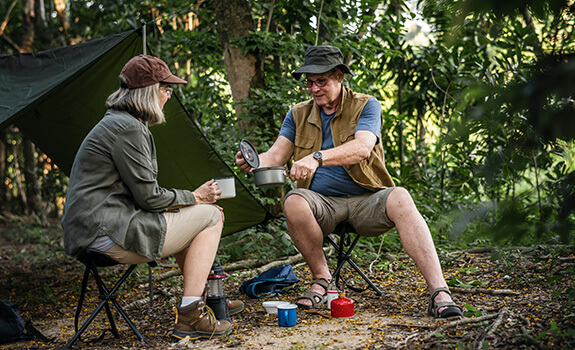
Across India, especially in rural and tribal communities, families often gather in the woods for Van Bhojan, an age-old tradition of spending time in the forest, sharing food, and reconnecting with nature. In Japan, a similar practice, known as Shinrin-yoku, or “forest bathing,” has long been revered as a form of natural therapy. Across Southeast Asia, Buddhist and indigenous cultures have treated forests not as recreational destinations, but as living, breathing sanctuaries for restoration. For centuries, these practices were seen as cultural, spiritual, or simply pleasant ways to spend a day. Now science is catching up, and the connection between forests and cognitive health is stronger than we ever imagined.
In the early 2000s, Japanese researchers uncovered a remarkable truth: the “feel good” effect of forests is not just psychological, it is biochemical as well. Trees emit natural aromatic compounds known as phytoncides, which are antimicrobial and defense-related molecules that protect them from insects, fungi, and pathogens. When humans inhale these compounds, they trigger powerful physiological changes, including
- Activation of the parasympathetic nervous system (calming the brain and body)
- Lower cortisol and stress hormones
- Reduced inflammation
- Improved immune function, including increased NK cell activity
- Enhanced sleep quality
In essence, forest air is medicinal air. Chronic stress, systemic inflammation, poor sleep, and immune dysregulation are also some of the major drivers of cognitive decline. Forest exposure influences all four, thereby naturally delaying cognitive decline. The mechanism involves:
1. Reduces Cortisol and Quietens the Overactive Brain: High cortisol damages hippocampal neurons, impairs memory formation, and disrupts synaptic plasticity. Studies show that just a few hours in a forest can sharply lower cortisol and sympathetic activity.
2. Enhances Parasympathetic Tone: A calm nervous system supports improved attention, emotional regulation, and memory processing. Forest environments promote alpha-wave brain activity, which is associated with relaxed alertness.
3. Boosts Immune Signaling Linked to Alzheimer’s Protection: Phytoncides increase natural killer (NK) cell count and activity. NK cells are essential for clearing damaged or dysfunctional cells and for regulating microglial inflammation — both key to Alzheimer’s pathology.
4. Improves Sleep, which is a Crucial Detox Window: Better sleep enhances glymphatic clearance of amyloid-beta and tau. Forest exposure improves melatonin cycles, sleep depth, and restorative sleep architecture.
Thus, forest time acts through multiple pathways, including Brain inflammation, Stress pathways, Immune balance, Cardiovascular parameters, and Mood and depression. This multi-pathway modulation resembles the systems-based approach of ReCODE: not targeting a single biomarker but restoring the entire internal ecosystem. In essence, nature provides a multi-therapeutic intervention without prescriptions, side effects, or cost. It is striking how traditional practices anticipated modern science:
- Van Bhojan emphasized time, food, and community in nature, now known to enhance oxytocin, reduce stress, and support mood.
- Shinrin-yoku focused on slow immersion, mirroring mindfulness-based cognitive therapies.
- Indigenous forest traditions across Asia invoked breath, stillness, and plant scents, the same phytoncides that researchers now quantify in controlled studies.
Practical Ways to Bring Forest Medicine Into Daily Life
You don’t need a Himalayan trek or a Japanese cedar forest to benefit. You can incorporate forest medicine through:
- Weekly nature walks in wooded parks
- Outdoor meals (your own modern Van Bhojan)
- Gardening and daily plant exposure
- Mindful breathing while walking in your yard
Take-Home Message
From India’s Van Bhojan to Japan’s Shinrin-yoku, cultures have long understood that forests heal us. Today, neuroscience provides the mechanisms: phytoncides, parasympathetic activation, reduced inflammation, improved sleep, and enhanced immune function all contribute to better cognitive health. As we navigate a world filled with digital noise, artificial light, and chronic stress, these ancient traditions offer a profoundly modern intervention: step among plants, breathe deeply, and let nature recalibrate your brain. Your neurons and your brain will thank you.

January 15, 2026•Behavior Change, From Ram Rao, Insider Strategies, News
Sleep Deprivation: New Insights about The Brain’s Hidden Cleaning Crisis

December 12, 2025•From Ram Rao, Insider Strategies, News