
October 17, 2025
A Mindful Kitchen: Where Hygiene Meets Harmony

By Ram Rao, Ph.D., Principal Research Scientist for Apollo Health
In her thoughtful article, Julie underscored the importance of creating a toxin-free kitchen by choosing safe cutlery, utensils, and cutting boards. This advice is invaluable, as the tools we use in daily cooking can directly affect the health of those we serve. In addition to Julie’s recommendations, here are some additional practices we can adopt to make our kitchens not only safer but also more nurturing.
One often overlooked source of contamination in the kitchen is footwear. By wearing footwear inside the kitchen, we risk transferring an invisible load of dirt and microbes onto our floors and countertops. Studies have shown that the soles of our footwear can harbor an astonishing variety of bacteria, including harmful strains that may cause illness. Beyond general infection risk, some of these microbes produce toxins and inflammatory compounds that are increasingly being linked to cognitive decline and memory loss. Research suggests that microbial byproducts can cross into the brain, trigger neuroinflammation, and interfere with memory and cognition. A simple act of leaving footwear at the threshold and adopting a no-shoes policy in the kitchen can significantly reduce bacterial contamination. Slippers reserved exclusively for indoor use — or better yet, walking barefoot — help maintain a cleaner, safer kitchen environment.
In many homes, the kitchen is also the most natural place for family and friends to gather during social visits. Conversations spill over into this space, often with footwear on, bringing in not only bacteria but also noise and distraction. While the shouts, laughter, and chatter reflect warmth and connection, they can be unsettling for the person focused on cooking. Meal preparation requires attention, timing, and care, and constant interruptions — both physical and emotional — can create stress. Establishing gentle boundaries, such as asking guests to remove footwear and to socialize in adjoining spaces, allows the person cooking the food to work with focus while still enjoying the company of loved ones nearby.
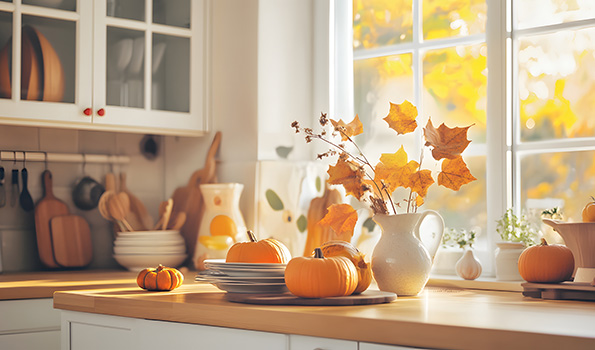
While safety and order are part of the dimension of a truly wholesome kitchen, the other, equally important, is the atmosphere it creates. Food is not just fuel — it is also an expression of love, culture, and community. When the kitchen becomes a place of stress, hurried tasks, and low spirits, the experience of cooking and sharing meals is diminished. Cultivating a positive frame of mind in the kitchen can transform routine meal preparation into a restorative ritual. One simple way to do this is through our connection with nature. If possible, a kitchen window that opens out into a garden or yard serves as a harmonious bridge between the indoors and outdoors. The sight of colorful flowers, the rustle of leaves, and the cheerful songs of birds can uplift even the most sagging spirits. Natural light streaming through a window not only improves mood but also supports our body’s circadian rhythm, making cooking feel less like a chore and more like a mindful activity.
For those who may not have a yard, bringing nature inside is equally effective. A few potted herbs on the windowsill, fresh flowers in a vase, or even a small indoor fountain can refresh the atmosphere and stimulate the senses. The fragrance of basil or mint growing in a pot nearby adds both beauty and functionality to the kitchen, reminding us that nourishment comes not only from the food we eat but also from the space in which it is prepared.
Finally, the kitchen is often the heart of the home — a place where families gather and bonds are strengthened. Maintaining this space with care, free from toxins and clutter, while infused with positivity and natural beauty, helps ensure that it remains a source of optimal health and wellbeing for everyone. By blending Julie’s practical suggestions with mindful habits — such as removing footwear, creating respectful social boundaries, and inviting nature indoors — we can elevate the kitchen into a sanctuary where both health and happiness thrive.


September 18, 2025•From Ram Rao, News
The Nose Knows: Loss of Smell Could Be The First Alarm Bell for Alzheimer’s Disease

August 14, 2025•From Ram Rao, Insider Strategies, News