October 15, 2026
Making KetoFLEX 12/3 Work Anywhere

By Julie Gregory, Chief Health Liaison for Apollo Health
Did you know that your zip code can determine the quality of food available to you?
That recently came home to me when a friend in California described the amazing selection of high-polyphenol olive oils at her local Costco. At my Costco in Merrillville, Indiana, the choices were very different: enormous plastic jugs of Spanish or Italian olive oil — neither of which meets our KetoFLEX 12/3 sourcing standards.
No problem, I thought. I’ll just order the better options online.
Nope.
The moment I logged in and entered my zip code, those beautiful California selections disappeared. My choices were limited to plastic jugs, a 4-pack of pouches, or a giant metal container — all packaging we avoid because oil can remain in prolonged contact with plastics, polymers, or resin coatings that introduce unwanted chemicals, especially when exposed to heat during transit or storage.
For those working to prevent or reverse cognitive decline, minimizing unnecessary chemical exposures is an important part of our approach. Why undermine the benefits of an extraordinary food with questionable packaging?
That experience made me realize just how much geography can influence access to clean, nutrient-dense food. But here’s the good news: KetoFLEX 12/3 can be practiced anywhere. Over the years, I’ve developed workarounds for living in what I call a “healthy food desert,” and in this blog I’m sharing my favorite sourcing strategies for olive oil, vegetables, seafood, eggs, meat, poultry, pantry staples, and more — so you can find the foods you need, wherever you live.
Olive Oil
If you don’t have a local olive oil specialty shop that meets our sourcing parameters (high-polyphenol extra virgin olive oil packaged in dark glass, with a known harvest date and verified polyphenol count), consider an online retailer. My favorite is Amphora Nueva. They source oils worldwide to offer the freshest harvests with some of the highest polyphenol counts available. Their prices aren’t that different from what I’m charged at my local grocery store, and shipping is reasonable. Apollo Health members have access to an additional discount and a concierge shopping experience at our Amphora Nueva Resource.
Another good, widely available grocery store option is California Olive Ranch. Their olive oils are sold in dark glass bottles with the harvest date printed on the back label. Many bottles also include a QR code that provides additional information specific to that oil, including the harvest year or season, country of origin, bottling date, and total phenol content. Their EVOOs typically range from about 200 to more than 500 mg/kg in total phenols. I look for their Robust blend, which tends to have the highest polyphenol content, and choose the freshest harvest available.
Vegetables
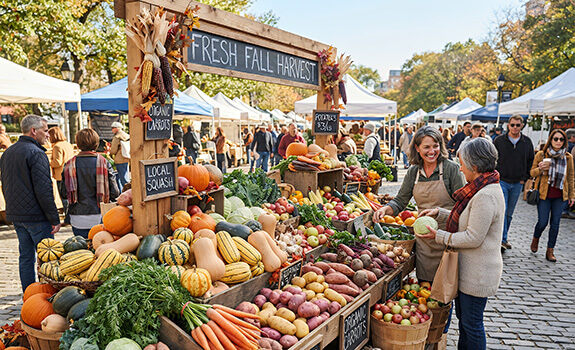
In a perfect world, you would choose USDA Organic, non-starchy vegetables from every color of the rainbow. In the real world, that isn’t always practical — or affordable. Organic produce can be difficult to find in some areas, and prices can vary dramatically from one retailer to another. Fortunately, stores across the country, including Walmart, often carry a surprisingly broad selection of organic vegetables at reasonable prices.
Another excellent option is to buy directly from local farmers who use chemical-free, sustainable growing practices but may not have gone through the expense of obtaining USDA Organic certification. Your local health food store, farmers market, or community food network can often help connect you with these growers.
Or, better yet, grow your own vegetables! You don’t need acres of land or even a traditional garden. A few raised beds, containers on a sunny patio, or pots of fresh herbs on a windowsill can provide an abundance of nutritious food at a fraction of the grocery store price. Start small with easy-to-grow favorites like leafy greens, herbs, tomatoes, zucchini, or peppers. You’ll know exactly how your food was grown, enjoy the incredible flavor of freshly harvested produce, and may even discover a new hobby along the way. If space is limited, consider joining a community garden. It’s a wonderful way to grow healthy food while connecting with like-minded neighbors.
Of course, whether you grow some of your own food or rely entirely on grocery stores and farmers markets, knowing which produce to prioritize when buying organic can help you shop more strategically and economically. To help you prioritize where buying organic matters most, we also publish an annual KetoFLEX 12/3 Clean/Dirty List. It is loosely based on the Environmental Working Group’s “Dirty Dozen” and “Clean Fifteen,” but adapted specifically for KetoFLEX 12/3 — focusing only on low-glycemic produce and also taking GMO considerations into account. See our current list in KetoFLEX 12/3 on a Budget.
Seafood
If you’re not lucky enough to live on the pristine shores of a clean waterway with abundant seafood, all is not lost. Low-mercury clean seafood can still be found, but it may have to be flash-frozen. National big-box retailers like Costco and Sam’s Club often carry excellent flash-frozen, wild-caught seafood at very reasonable prices, including Alaskan sockeye salmon, cod, flounder, and shrimp. Buying frozen seafood in bulk can be especially economical, and the fillets are often cleaned, deboned, individually portioned, and easy to thaw as needed.
But always read the ingredient list. Some seafood — particularly shrimp and other frozen products — is treated with additives such as sodium tripolyphosphate (STPP), which helps seafood retain water and can also increase its weight. Emerging research has found that STPP may promote the abnormal clumping of tau protein and damage human-derived nerve cells. Given these neurological concerns, we recommend avoiding it entirely. Note: all (or most) frozen seafood at Walmart contains this preservative, underscoring the importance of being an educated consumer.
Your fresh or frozen seafood should have one ingredient: the seafood itself, with no added phosphates, preservatives, or other chemicals.
Eggs
Pasture-raised eggs are an excellent source of high-quality protein on KetoFLEX 12/3, but standing in front of the egg case at your grocery store can feel surprisingly overwhelming. Labels may include cage-free, free-range, pasture-raised, organic, vegetarian-fed, omega-3 enriched, hormone-free, antibiotic-free, natural, farm-fresh, fertile, brown, white, local, Certified Humane, and more. Let’s cut through the noise and focus on what really matters.
Ideally, you want eggs from hens that spend meaningful time outdoors on pasture, eating as close to their natural diet as possible, with as little reliance on grain-based feed as possible. When poultry are free to graze on the foods they were intended to eat, they are healthier and produce more nutrient-dense eggs, including eggs that are higher in choline. Choline is especially important for brain health because it is the precursor to acetylcholine, a neurotransmitter essential for learning and memory.
The labels that matter most, in order, are pasture-raised, organic whenever possible, and Certified Humane, which provides additional assurance around outdoor access and pasture standards. When shopping at your grocery store, use the Cornucopia Institute’s Organic Egg Scorecard to help guide your choices.
If your local grocery store doesn’t carry high-quality pasture-raised eggs, try your nearest health food store or farmers market and look for local farmers who raise hens on pasture. Better yet, meet the farmer directly and ask a few questions: How much time do the hens actually spend on pasture? How frequently are they rotated to fresh ground? And how much of their diet comes from supplemental grain? Those answers can tell you far more than the marketing language on an egg carton.
Meat & Poultry
The same principle that applies to eggs applies to meat and poultry: what an animal eats affects the nutritional quality of the food it produces. Animals raised on diets appropriate to their species can produce meat with a more favorable nutrient profile. This is why we encourage avoiding meat and poultry from concentrated animal feeding operations (CAFOs), where animals are typically confined and fed diets designed to maximize growth rather than reflect their natural feeding behaviors. Unfortunately, conventionally raised meat dominates supermarket shelves — even at many upscale and natural-food retailers. The good news is that better options may be closer and more affordable than you think.
For ruminants like beef cattle, bison, and lamb, our goal is 100% grass-fed and grass-finished animals raised on healthy, chemical-free pasture. These animals are designed to eat grasses and other forage, not grain-heavy diets.
For pork, our goal is genuinely pasture-raised, grain-free animals that obtain as much of their diet as possible through natural foraging. Pigs are omnivores and excellent foragers, naturally eating roots, tubers, plants, seeds, nuts, insects, worms, grubs, and other foods they encounter on pasture. Ask the farmer specifically whether the pigs receive corn, soy, wheat, or other grains as supplemental feed.
For poultry, look for birds that spend as much time as possible outdoors on healthy pasture, where they can forage naturally for greens, seeds, insects, worms, and other small organisms. Ideally, supplemental feed should be kept to a minimum and used only when necessary, with grains minimized as much as possible.
- Where Organic Fits Organic is an additional positive — not a substitute for proper pasture and feeding practices. Ideally, the animals you source will also be USDA Organic, which adds another layer of protection around feed and farming practices. But an organic label alone doesn’t tell you whether cattle were truly 100% grass-fed and grass-finished, whether pigs were grain-free, or how much meaningful pasture access poultry actually had. We want both whenever possible: the appropriate pasture-based diet and organic practices.
- Don’t Let the Label Do Your Thinking Terms like free-range, cage-free, pasture-raised, grass-fed, and grass-finished can leave important questions unanswered. Even seemingly reassuring claims may not tell you what the animal actually ate throughout its life, how much time it spent on pasture, or what supplemental feed was used. That’s why becoming an educated consumer matters. And those details matter: even candy, including Skittles, has been used as a supplemental calorie source in cattle feed. Yikes! That’s a striking reminder that the label on the package may tell you far less than you think about how the animal was actually fed.
Certifications can provide helpful clues, but they aren’t the whole story. For ruminants, one of the strongest assurances is American Grassfed Association (AGA) Certification, which requires a 100% forage diet and pasture-based raising. AGA also certifies pastured pork and poultry, but those standards allow supplemental feed, so you’ll still want to ask the farmer exactly what those animals are eating. That said, certification can be costly and burdensome for small farmers, so the absence of a seal doesn’t necessarily mean a farmer isn’t following exceptional practices. When in doubt, go straight to the source and ask how the animals are actually raised and fed.
My favorite solution is to skip the marketing claims and go straight to the source: local farmers. Many offer competitive pricing, bulk purchasing, and even home delivery. I’ve found this to be one of the most economical ways to obtain exceptional-quality meat while supporting farmers who prioritize animal health and responsible land management.
Start with the EatWild Farm Directory to find pasture-based farmers near you. Then have a conversation. Ask what the animals eat throughout their lives, whether they receive supplemental feed, how much time they spend on pasture, and whether herbicides, pesticides, or other chemicals are used on the land — or on nearby land where spraying might drift.
Pantry Staples
The good news is that this may be the easiest category of all. Thanks to online shopping, you can build a well-stocked KetoFLEX 12/3 pantry no matter where you live. Approved sweeteners, teas, tamari, spices, extra virgin olive oil, 100% avocado oil in dark glass bottles for cooking, hearts of palm pasta and rice, legumes, clean canned seafood, and many other staples are readily available through retailers like Amazon and Thrive Market, which does require a membership, but I’ve personally found it to be invaluable.
Having the right basics on hand makes KetoFLEX 12/3 dramatically easier to practice day to day — and helps ensure that a quick meal can still be a healthy one. For a complete list of approved pantry staples and other KetoFLEX 12/3 foods, subscribers can access our online Grocery Guide, which also includes a downloadable Grocery List you can keep handy while you shop. Non-subscribers can use The End of Alzheimer’s Program, which offers step-by-step guidance for the entire protocol as well as details for the diet.
KetoFLEX 12/3 isn’t about having an unlimited grocery budget or living near upscale specialty markets. It’s about making thoughtful choices with the resources available to you. With a little creativity, smart shopping, and the tools we’ve shared, this brain-healthy way of eating can become a practical, sustainable part of everyday life. After all, KetoFLEX 12/3 isn’t a short-term diet. It’s a plan for life, and with the right knowledge and resources, you can adapt it to fit your lifestyle and budget — wherever you call home.


August 12, 2026•From Julie Gregory, KetoFLEX 12/3 Kitchen, News, Nutrition