April 16, 2026
Spring Cleaning for Brain Health


By Julie Gregory, Chief Health Liaison for Apollo Health
Spring is a season of renewal, making it the perfect time to clean up not only your home, but also the everyday exposures that shape brain health. The food and water you consume, the air you breathe, and the products you use on your skin can all influence inflammation, toxic burden, and long-term cognitive resilience. This season, focus on three simple ways to clean up your environment to support better brain health.
- Clean Up What Fuels Your Brain
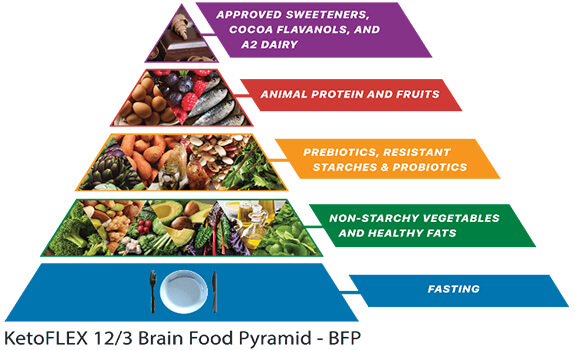
A great place to begin your spring reset is with the food and water that fuel your brain every day. Move away from processed foods — especially those high in sugar, starchy carbohydrates, and unhealthy seed oils — and toward a KetoFLEX 12/3 approach, a dietary pattern shown to support cognitive health. Emphasize a plant-rich, whole foods diet built around deeply pigmented non-starchy vegetables from every color of the rainbow, abundant healthy fats (especially high-polyphenol extra virgin olive oil), and an adequate amount of clean protein.
Ideally, all produce would be USDA organic, but that’s not always economically or practically realistic. For that reason, we created our own Clean/Dirty produce lists, adapted from the Environmental Working Group’s Clean Fifteen and Dirty Dozen to align with our low-glycemic principles and avoidance of genetically modified produce. Just as important as the ingredients you source is the environment in which those foods are prepared. For a complete guide, see Creating a Toxin-Free Kitchen.
Clean (Ok to buy conventional)
- Avocadoes
- Bananas (green)
- Broccoli
- Cauliflower
- Carrots
- Eggplant
- Grapefruit
- Kiwi
- Mangos (green)
- Mushrooms
- Onions
- Peas (frozen)
- Raspberries
- Snap peas
- Sweet potatoes
Dirty (Prioritize USDA organic or pesticide/herbicide-free)
- Apples (tart only, such as Granny Smith)
- Beets (otherwise GMO)
- Blueberries
- Blackberries
- Cherries (tart)
- Collard greens
- Kale
- Mustard greens
- Papaya (green, otherwise GMO)
- Pears
- Spinach
- Strawberries
- Soy (otherwise GMO)
Finally, don’t overlook the importance of clean water — and any beverage you consume — as part of what fuels your brain each day. Ideally, we could simply turn on the tap and trust that our water is clean and health-promoting, but that is becoming increasingly difficult. Depending on where you live, aging municipal infrastructure can further compromise water quality, adding to concerns about PFAS, pesticide and herbicide runoff, heavy metals, chlorine byproducts, and even trace residues from common medications that conventional treatment systems may not fully remove. Investing in high-quality filtration for drinking water, coffee, tea, and other daily beverages is one of the simplest ways to reduce toxic burden while supporting long-term cognitive health. See Brain-Boosting Beverages for much more, along with water filtration recommendations.

- Clean Up the Air You Breathe
The air you breathe is another powerful but often overlooked contributor to brain health. Indoor exposures such as dust, mold, volatile organic compounds (VOCs), synthetic fragrances, conventional cleaning products, and combustion byproducts from gas stoves can all increase inflammatory burden over time. If you cook with gas, make it a habit to run a vented exhaust fan or range hood every time you use the stove to help remove nitrogen dioxide and other pollutants before they circulate throughout the home. Spring cleaning season is the perfect time to swap harsh chemical cleaners and artificial scents for healthier alternatives. For practical product swaps, see Clean Smarter, Think Sharper.
Because mold has emerged as a major contributor to cognitive and inflammatory burden, spring is also the perfect time to address hidden moisture issues before they become larger problems. Keep indoor humidity low — ideally less than 50% — using bathroom fans, kitchen ventilation, air conditioning, or a dehumidifier when needed. If you notice musty odors, condensation, prior water leaks, or symptoms that seem worse at home, an ERMI Dust Test can provide a time-averaged snapshot of mold DNA in settled dust, helping reveal hidden issues that a quick visual inspection may miss.
Outdoor air quality matters too, from traffic pollution and wildfire smoke to seasonal spraying, agricultural drift, and other environmental toxins that may be harder to see but still enter the body with every breath. Replace HVAC filters, consider higher-efficiency HEPA filtration, open windows strategically on good air-quality days, and address any lingering moisture or musty odors promptly. Small upgrades to the air your brain breathes can have an outsized impact on long-term cognitive health.

- Clean Up What Touches Your Body
What touches your skin, scalp, and body each day is another important source of cumulative exposure. Personal care products, cosmetics, and synthetic fragrances can all add to cumulative exposure over time, making spring the perfect time to simplify your routine. Look up your favorite products in the EWG Skin Deep® Database or use the Think Dirty app to compare ingredients and identify cleaner swaps.
Next, don’t overlook what lingers on the clothing, sheets, and towels that stay in close contact with your skin. Laundry detergents, fabric softeners, dryer sheets, and residual fragrances can all leave behind compounds that continue touching your body long after the wash cycle ends. For a deeper look at how these exposures may quietly increase toxic burden in the home, see Avoid the Hidden Hazards of Laundry.
Finally, consider the fabrics themselves. Whenever possible, choose natural fibers like 100% organic cotton, linen, hemp, silk, or wool, and be cautious with synthetic performance fabrics, wrinkle-resistant finishes, stain-resistant treatments, and antimicrobial coatings. Don’t be fooled by bamboo: many bamboo fabrics are actually highly processed viscose or rayon. Instead, look for bamboo lyocell, especially for sheets and pajamas that remain in prolonged contact with your skin.
Spring cleaning is about more than clearing closets and wiping down surfaces — it’s an opportunity to reduce the everyday exposures that quietly shape inflammation, toxic burden, and long-term cognitive resilience. By cleaning up what fuels your brain, the indoor and outdoor air you breathe, and what touches your body, you create a healthier internal and external environment that supports your brain every single day. From food and water to air quality, personal care products, laundry residues, and the fabrics closest to your skin, small intentional swaps can add up to meaningful benefits over time. This season, let every choice you make to clean up your environment become an investment in lifelong brain health.


March 18, 2026•Behavior Change, From Julie Gregory, Insider Strategies, News