
News•October 15, 2026
Early Detection: The Advantages of p-Tau 217 and the BrainScan Test
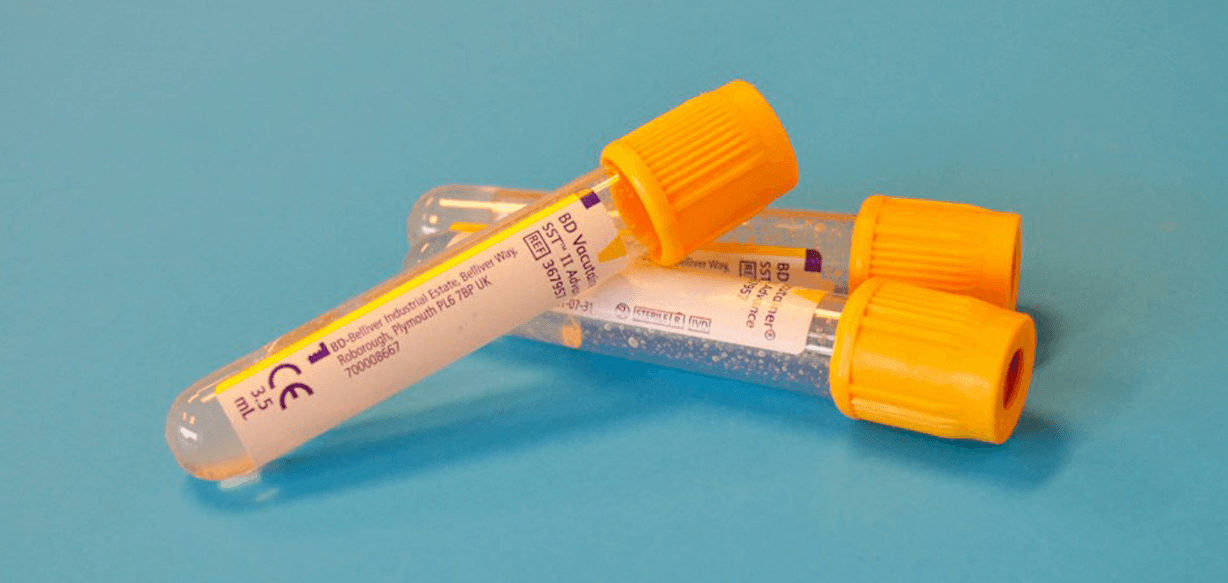
Alzheimer’s disease pathophysiology, and its associated cognitive decline, can now be identified years before significant brain damage occurs. One of the best ways to detect it is the p-Tau 217 blood biomarker. This marker offers an unprecedented opportunity to monitor brain health and take proactive steps toward achieving a long, healthy brainspan.
What is p-Tau 217?
Tau is a protein found primarily in neurons, where it helps stabilize microtubules that maintain cellular structure and transport essential materials. When the brain faces ongoing insults such as infections or toxins, it shifts from a “connection mode” to a “protection mode”. This protective response alters immune, vascular, and other systems, and includes a structural shift in tau.
This modified version is called phosphorylated tau, and this phosphorylation changes tau from a microtubule stabilizer to an antimicrobial that kills numerous different infectious agents. Although tau usually undergoes phosphorylation, specific abnormal patterns are strongly linked to Alzheimer’s disease. One particularly informative change occurs at threonine 217, resulting in phosphorylated tau 217 (p-Tau 217).
Elevated levels of this biomarker in blood are strongly associated with Alzheimer’s-related amyloid and tau pathology, making it a promising tool for detecting biological changes that may precede noticeable cognitive symptoms.
Why is p-Tau 217 an Important and Useful Biomarker?
Testing for p-Tau 217 is rapidly changing how we approach cognitive health for several reasons:
- An Early Warning System: Just as hemoglobin A1c is an accurate marker to tell us whether we are on the way to diabetes (or already have diabetes), so p-Tau 217 reflects the brain’s ongoing biochemical changes associated with Alzheimer’s disease pathophysiology. It serves as a sensitive test that often shows increases with early memory loss or even before memory loss begins.
- A Non-Invasive Alternative: In the past, assessing Alzheimer’s risk required an invasive spinal tap or an expensive PET scan with radioactive tracers. Now, thanks to new blood testing capabilities, p-Tau 217 offers a highly accurate, non-invasive alternative to these procedures.
- A Tool for Tracking Progress: Just as we can follow hemoglobin A1c to see if we are reversing our diabetes or pre-diabetes, we can follow p-Tau 217 to track progress during treatment and prevention of cognitive decline. Because it can be monitored repeatedly over years (typically every 2-5 years is all that is needed), it is a key tool in ensuring a lifetime of optimal cognition.
Why BrainScan is the Best Test for Assessing p-Tau 217
Although a number of labs offer p-Tau 217 blood testing, unfortunately most are just knock-offs that are not sensitive and are without any ongoing research or enhancement. In contrast, Neurocode has been researching and developing p-Tau 217 and related tests for years, has developed the most sensitive assay, and continues to enhance the technology, so what is already the best p-Tau 217 test continues to improve. Having access to an accurate and sensitive test for p-Tau 217 is important for long-term optimal cognition. This is why the BrainScan blood test by Neurocode is the best option for all of us who wish to assess our cognitive status.
We have evaluated all of the different biomarker tests for cognition, and this is why BrainScan stands out as the most sensitive and accurate:
- Superior, Highly Sensitive Technology: The p-Tau 217 test from Neurocode utilizes a special ALZpath antibody with SIMOA technology. The ALZpath version of the assay has been clinically validated extensively to detect pathology years before symptoms appear, providing a critical window for early intervention.
- A Comprehensive Biomarker Profile: BrainScan doesn’t just test for p-Tau 217 alone. It gives you a complete picture by combining it with two other key blood tests: GFAP and NfL. GFAP (glial fibrillary acidic protein) serves as an indicator of ongoing brain inflammation and attempted repair. Meanwhile, NfL (neurofilament light chain) indicates active neuronal damage. Together, these three biomarkers reveal whether you have abnormal amyloid levels, ongoing inflammation, and/or neuronal injury.
- Actionable and Supportive Results: Routine cognitive testing is advised for individuals aged 45 and older—especially those with risk factors like a family history of dementia, poor sleep, or physical inactivity. Rather than leaving you to interpret the results on your own, Apollo Health ensures that if your BrainScan results are outside the normal range, a nationally certified health coach will contact you to review them and guide you on the appropriate next steps.
With the BrainScan blood test, you get a clear, comprehensive snapshot of your brain health without invasive spinal taps or radioactive imaging. Don’t wait for symptoms to appear—take control of your cognitive future today with the best p-Tau 217 assessment available.




July 17, 2026•Behavior Change, Health Coaching, News, Nutrition, Recipes